Sustainable practices have become critical in every industry, and the healthcare sector is no exception. Specialty pharmacies, which deal with high-value medications like biologics, vaccines, and other temperature-sensitive drugs, require efficient cold chain management to ensure products are delivered safely.
One key component of this system is the use of refrigerants, substances used to keep items at the necessary temperature during storage and transport. With growing awareness around environmental issues, using sustainable refrigerants in specialty pharmacy cold chains has become essential for maintaining product efficacy and environmental integrity.
What is a Specialty Pharmacy Cold Chain?
Specialty pharmacy cold chain refers to the specialized system that stores, handles, and transports temperature-sensitive medications. Specialty pharmacies focus on high-value, complex drugs such as biologics, vaccines, and gene therapies requiring precise temperature control to maintain effectiveness.
These medications often treat serious, chronic, or rare conditions like cancer, multiple sclerosis, and rheumatoid arthritis.
In a cold chain system, products are maintained at a specific temperature range from the moment they are manufactured until they reach the patient. This includes cold storage, temperature-controlled packaging, and refrigerated transport. Maintaining the right temperature ensures the medication doesn’t lose its potency or become unsafe.
What are Refrigerants, and Why Are They Used in Cold Chain Logistics?
Refrigerants are substances that absorb heat and cool the surrounding environment, making them an essential part of cold chain logistics. In the context of specialty pharmacies, cold chain logistics ensures that temperature-sensitive medications are maintained within a specific temperature range (commonly between 2°C and 8°C or even lower for some biologics) throughout the storage, handling, and transportation process.
Without effective refrigeration, medications can degrade, lose efficacy, or become unsafe for use, leading to adverse patient outcomes and financial losses. The refrigerants used in cooling systems play a vital role in ensuring temperature stability. However, traditional refrigerants have come under scrutiny due to their environmental impact, leading to the push for more sustainable alternatives.
In 2024, eco-friendly cold chain solutions are shifting towards using sustainable refrigerants. Environmentally friendly refrigerants, such as HFOs (hydrofluoroolefins), are becoming more popular because they don’t harm the ozone layer and have a much lower impact on global warming compared to older refrigerants commonly used in the cold chain. This helps reduce the environmental footprint while maintaining effective temperature control for sensitive products.
The Environmental Concerns with Traditional Refrigerants
Most traditional refrigerants, such as hydrofluorocarbons (HFCs) and chlorofluorocarbons (CFCs), have been linked to:
| Concern | Details |
| Ozone Layer Depletion | Chlorofluorocarbons (CFCs) significantly deplete the ozone layer, which protects life on Earth from harmful UV rays. |
| High Global Warming Potential (GWP) | Hydrofluorocarbons (HFCs) have a high GWP, contributing to global climate change despite being better for the ozone layer. |
| Regulatory Action | Many countries are implementing laws to phase out harmful refrigerants, driving the need for sustainable alternatives. |
Sustainable Refrigerants and Eco-Friendly Cold Chain Solutions
Sustainable refrigerants are important in maintaining the cold chain while reducing environmental impact. Below are some key examples of eco-friendly refrigerants and packaging solutions that help support sustainable cold chain management:
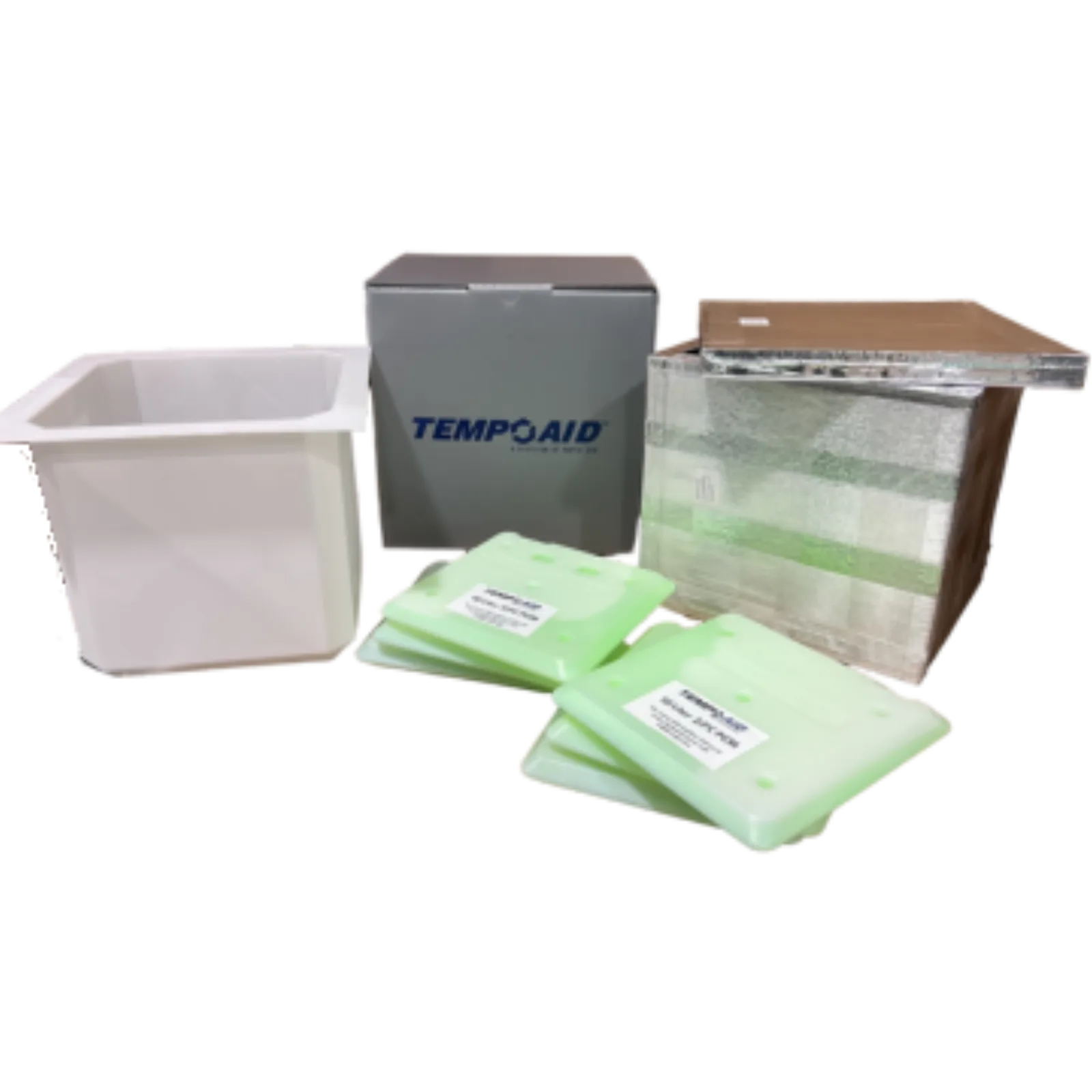
Gel Ice Packs : These are commonly used in cold chain shipping to maintain low temperatures for sensitive products like medications, vaccines, and biological samples. They are reusable and non-toxic, offering an eco-friendly alternative to traditional cooling methods. Since they can be refrozen and reused multiple times, they help reduce waste and minimize the environmental impact.
Envelope Mailer with Refrigerant : Designed to ship smaller quantities of temperature-sensitive items, these mailers incorporate sustainable refrigerants and provide lightweight, insulated packaging, which not only maintains the required temperature but also reduces the overall shipping footprint by using less material and space. These are especially useful for transporting individual doses or small medical supplies.
Phase Change Materials (PCMs): These are sustainable refrigerants that maintain specific temperature ranges for lengthy durations by absorbing or releasing heat during phase transitions (from solid to liquid and vice versa). They are used in cold chain packaging like temperature-controlled boxes and inserts, ensuring that products remain at a constant temperature throughout transport without energy-consuming refrigeration.
Reusable Insulated Shippers: Solutions like those from TempAid are designed to keep products at optimal temperatures for extended periods. These shippers use sustainable refrigerants that can be reused multiple times, minimizing waste and the need for disposable packaging materials. Their high durability and effectiveness in temperature control make them ideal for long-distance shipping in the specialty pharma industry.
Eco-Friendly Refrigerated Transport Systems: Cold chain vehicles equipped with systems that use sustainable refrigerants like HFOs (hydrofluoroolefins) or CO2-based cooling are another example. These vehicles minimize greenhouse gas emissions compared to traditional refrigerants, ensuring that cold chain processes are efficient and environmentally friendly.
Why Sustainable Refrigerants Are Important for Specialty Pharmacy Cold Chain
Regulatory Compliance
Governments worldwide are tightening regulations on refrigerants with high GWP and ozone-depleting properties. Specialty pharmacies must adopt sustainable refrigerants to stay compliant with these regulations and avoid penalties or disruptions in their supply chain.
Environmental Responsibility
The healthcare sector is a significant contributor to global carbon emissions. Specialty pharmacies can reduce their carbon footprint by switching to refrigerants that have lower environmental impact. By opting for sustainable refrigerants, they contribute to global efforts to combat climate change and protect the environment.
Maintaining Product Integrity
Sustainable refrigerants are not just beneficial for the environment, they also ensure that temperature-sensitive products remain stable throughout their journey. For instance, refrigerants like CO₂ provide reliable cooling, preventing drugs from losing potency due to temperature fluctuations. Adopting these refrigerants helps specialty pharmacies maintain the integrity of their products, ensuring patients receive safe and effective medications.
Long-Term Cost Savings
While the initial investment in sustainable refrigerants and eco-friendly cold chain technologies might be higher, they offer long-term cost benefits. Sustainable refrigerants tend to be more energy-efficient, resulting in lower operational costs.
Enhancing Brand Reputation
In an era where consumers are increasingly environmentally conscious, businesses that prioritize sustainability gain a competitive advantage. Specialty pharmacies that adopt sustainable refrigerants can market themselves as eco-friendly and forward-thinking, which can boost their reputation in the healthcare industry.
The Role of Cold Chain Packaging in Sustainable Refrigeration
In addition to adopting sustainable refrigerants, it’s essential to pair them with high-quality cold chain packaging solutions, such as those provided by reputable companies like TempAid. Innovative packaging can further enhance the efficiency of the cold chain system by:
Minimizing energy loss: Advanced insulation materials ensure the refrigerants work more efficiently, maintaining the desired temperature for extended periods.
Reducing waste: Eco-friendly packaging materials can reduce the amount of plastic and non-biodegradable materials used in the cold chain process, contributing to overall sustainability.
Choose TempAid for Effective and Sustainable Cold Chain Solutions!
Incorporating sustainable refrigerants into specialty pharmacy cold chains is no longer a choice; it’s a vital step toward safeguarding the environment and the integrity of life-saving medications. As the industry evolves, eco-friendly alternatives like natural refrigerants and HFOs are essential for maintaining regulatory compliance, protecting product quality, and building a responsible brand. By choosing sustainable cold chain solutions, specialty pharmacies meet today’s demands and contribute to a greener, more secure future in healthcare logistics.
Contact us today to learn more about integrating sustainable refrigerants into your specialty pharmacy cold chain!