The demand for products that require temperature control during transportation has surged as medications use live cultures, the meal kit market has increased, and the global trade of perishable goods continues to grow. From fresh food and pharmaceuticals to vaccines and specialized chemicals, these items must be kept at specific temperatures to maintain their quality and efficacy. This is where cold chain packaging companies play an important role in supply chain management. These companies ensure that temperature-sensitive products are safely transported from the point of origin to the end user without compromising their quality.
Let’s explore the importance of cold-chain packaging companies in supply-chain management.
What is a Cold Chain?
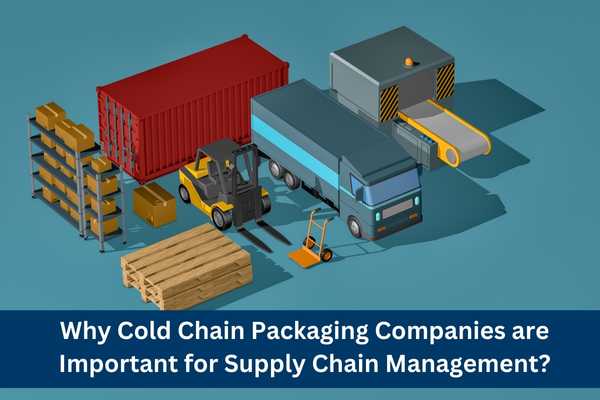
The term “cold chain” refers to the temperature-controlled supply chain necessary for transporting and storing products sensitive to temperature changes. The cold chain includes several critical components:
- Production: The manufacturing or harvesting of temperature-sensitive products.
- Storage: Keeping the products at the required temperature before they are transported.
- Transportation: Moving the products from one location to another while maintaining the correct temperature.
- Distribution: Delivering the products to the final consumer.
Throughout each stage, maintaining the correct temperature is a key element to preserving the integrity of the products.
What is Cold Chain Management, and Why It is Important?
Cold chain management is the process of keeping temperature-sensitive products, like food, medicine, and vaccines, at the right temperature throughout their journey from the manufacturer to the end-user.
This involves using specialized packaging, refrigerated storage, and transportation to ensure these products stay fresh, safe, and effective.
It’s important because if the temperature isn’t controlled, these products can spoil or lose effectiveness, leading to wasted resources and potential health risks.
Cold chain packaging is designed to protect products from temperature fluctuations during transport. With proper packaging, products can degrade, retain potency, or become unsafe to use. For example, vaccines need to be kept within a specific temperature range to remain effective. Any deviation from this range can result in the vaccine losing its potency, which can have severe consequences for public health.
What are the Types of Cold Chain Packaging?
There are various types of cold chain packaging, each designed to meet the specific needs of different products:
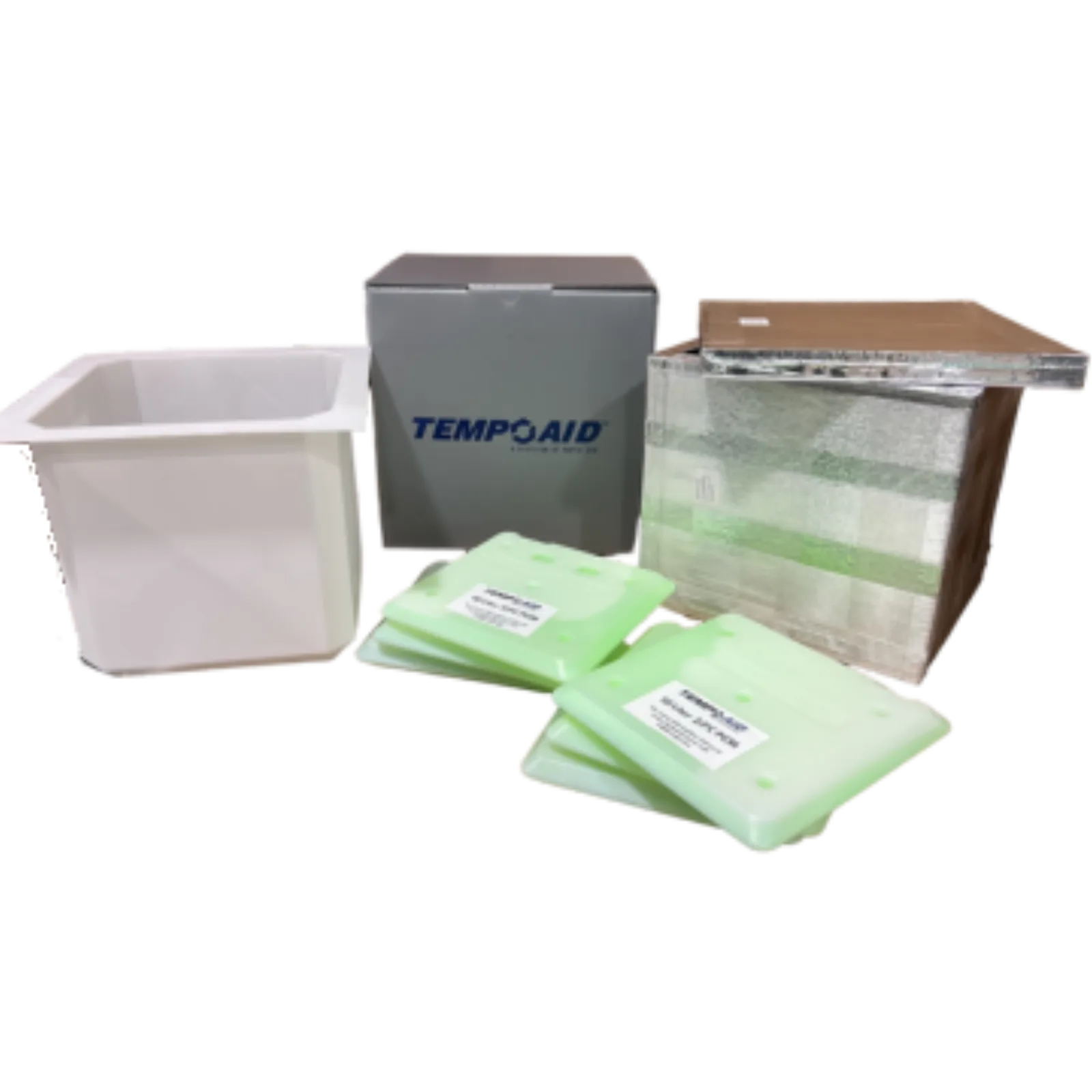
- Insulated Shipping Containers: These insulated shipping containers are designed to maintain a consistent internal temperature. They are often used for transporting pharmaceuticals, biologics, and perishable foods.
- Refrigerated Trucks and Containers: Also known as reefers, these are vehicles and containers equipped with refrigeration units that maintain a controlled temperature environment during transportation.
- Gel Packs and Phase Change Materials (PCMs): These are used within insulated containers to help maintain the required temperature range. Gel packs are typically used for products that need to be kept cool, while PCMs (Phase Change Material) are designed for products that require freezing or refrigeration.
- Dry Ice: Often used for products that need to be kept frozen, dry ice is a solid form of carbon dioxide that sublimates at -78.5°C, providing a cold environment for the package’s contents.
- Temperature Monitoring Devices: These devices are integrated into cold chain packaging to provide real-time data on the temperature inside the package, ensuring that the product remains within the required temperature range throughout transportation.
The Role of Cold Chain Packaging Companies
Cold chain packaging companies specialize in creating and managing packaging solutions that ensure products remain within the required temperature range. Their role in supply chain management is multifaceted:
Customized Solutions: Cold chain packaging companies design tailored solutions to meet the specific needs of different products. This customization ensures that products are not only protected from temperature fluctuations but also from physical damage during transportation.
Quality Assurance: These companies implement strict quality control measures to ensure all packaging materials meet the necessary standards. This includes rigorous testing to verify that the packaging can maintain the required temperature throughout transportation.
Compliance with Regulations: Cold chain packaging companies ensure their solutions comply with local and international regulations. This is particularly important in the pharmaceutical industry, where regulatory requirements are stringent. Companies must comply with guidelines from organizations like the U.S. Food and Drug Administration (FDA) and the European Medicines Agency (EMA).
Innovation: The field of cold chain packaging is constantly evolving, with companies investing in research and development to create more efficient and sustainable packaging solutions. Innovations like advanced phase change materials, vacuum insulation panels, and smart packaging with real-time temperature monitoring are examples of how these companies are pushing the boundaries of what is possible in cold chain logistics.
Sustainability Initiatives: As the world becomes more environmentally conscious, cold chain packaging companies are working to reduce their carbon footprint. This includes developing reusable packaging solutions, reducing waste, and using eco-friendly materials.
Challenges Faced by Cold Chain Packaging Companies
Despite their critical role, cold chain packaging companies face several challenges:
- Maintaining Temperature Consistency: One of the biggest challenges is ensuring that products remain within the required temperature range throughout the entire supply chain. Temperature fluctuations can occur due to various factors, including transportation delays, equipment failures, and human error.
- Cost Management: Cold chain packaging solutions are often more expensive than standard packaging due to the specialized materials and technologies involved. Balancing cost with the need for reliable temperature control is a significant challenge for these companies.
- Regulatory Compliance: Cold chain logistics regulations can vary by region and product type. Keeping up with changing regulations and ensuring compliance is a continuous challenge.
- Sustainability Concerns: As mentioned earlier, companies are under increasing pressure to reduce their environmental impact. Developing sustainable packaging solutions that do not compromise on performance is a complex challenge.
Advancement into Cold Chain Packaging and Supply Chain Management
It’s important to consider how cold chain packaging integrates with broader supply chain management strategies:
Integration with Supply Chain Technology: Cold chain packaging is increasingly integrated with supply chain management systems. This includes using Internet of Things (IoT) devices for real-time monitoring and data analytics to optimize routes and reduce the risk of temperature excursions.
Globalization and Cold Chain Logistics: The demand for cold chain logistics has expanded with the globalization of supply chains. This has increased the complexity of managing cold chains, as products often must be transported over long distances, across different climates, and through various regulatory environments.
Risk Management: Cold chain packaging companies play a key role in managing risks associated with temperature-sensitive products. This includes developing contingency plans for potential disruptions, such as power outages or transportation delays.
Impact on Public Health and Safety: The importance of cold chain packaging in supply chain management extends beyond business concerns. In the pharmaceutical and food industries, it is directly linked to public health and safety. Ensuring that vaccines, medicines, and perishable foods reach their destination in optimal condition can prevent health crises and ensure consumer safety.
Future Trends in Cold Chain Packaging: The future of cold chain packaging will likely be shaped by technological advances, sustainability efforts, and the growing demand for temperature-sensitive products.
Trends to watch include developing more sophisticated temperature monitoring devices, using artificial intelligence to predict and prevent temperature excursions, and adopting more sustainable packaging materials.
Smart Packaging: Smart packaging involves using sensors, RFID tags, and IoT devices to monitor and record the conditions inside a package in real time.
This technology allows for precise temperature tracking and alerts supply chain managers to any deviations from the required temperature range. For example, if a package is exposed to temperatures outside the safe range, an alert is sent so that corrective action can be taken immediately.
Advanced Insulation Materials: Developing new insulation materials has significantly improved the performance of cold chain packaging. Vacuum Insulation Panels (VIPs) and multi-layered foams provide superior thermal resistance, allowing products to remain within the required temperature range for longer periods, even in extreme external conditions.
Phase Change Materials (PCMs): PCMs are substances that absorb and release thermal energy during melting and freezing. They are used to maintain a constant temperature inside the packaging. Recent innovations in PCMs have led to materials that can keep multiple temperature ranges (e.g., frozen, refrigerated, or room temperature), providing more flexibility for transporting a wide range of products.
Blockchain for Cold Chain Management: Blockchain technology is being adopted to enhance transparency and traceability in the cold chain. By recording every step of the supply chain on an immutable ledger, blockchain ensures that all stakeholders can access accurate, tamper-proof data regarding the temperature and handling of products. This technology is particularly beneficial in pharmaceutical sectors, where regulatory compliance and product authenticity are critical.
Benefits of Cold Chain Packaging Solutions
This table outlines the key benefits of using temperature-controlled packaging solutions across various aspects of product management and logistics. Each entry details how these solutions address specific challenges faced by businesses today.
| Product Integrity | Maintains the quality and safety of temperature-sensitive products throughout the supply chain. |
| Extended Shelf Life | Helps in prolonging the shelf life of perishable goods, reducing waste. |
| Regulatory Compliance | Ensures that products meet industry standards and legal requirements. |
| Cost Efficiency | Reduces product loss, thereby saving costs associated with spoilage and waste. |
| Global Reach | Facilitates the safe transportation of sensitive products across international borders. |
Economic Impact of Cold Chain Logistics
Cold chain logistics play a significant role in the global economy. The growth of industries such as pharmaceuticals, biotechnology, and food production has led to an increased demand for reliable cold chain solutions. Here are some critical economic aspects:
Global Market Growth: The cold chain logistics market has been growing rapidly. It was worth $293.58 billion in 2023 and is expected to grow to $324.85 billion in 2024 and reach $862.33 billion by 2032. This growth is driven by the increasing demand for temperature-sensitive products, particularly in emerging markets with expanding cold chain infrastructure.
Reducing Waste and Losses: Cold chain packaging companies help minimize waste in supply chains, especially in the food and pharmaceutical sectors. The Food and Agriculture Organization (FAO) estimates that approximately 14% of the world’s food is lost between harvest and retail, with inadequate cold chain logistics being a significant contributor. Effective cold chain solutions can mitigate these losses, improving profitability and sustainability.
Impact on Employment: The cold chain sector creates numerous job opportunities, ranging from logistics management to packaging design and cold chain technology development. This ripple effect on the economy contributes to job creation and economic stability in regions with cold-chain solid industries.
Use Cases: Cold Chain Packaging in Action
Pharmaceuticals: During the COVID-19 pandemic, cold chain logistics were essential in distributing vaccines worldwide. Companies like Pfizer and Moderna relied heavily on advanced cold chain packaging solutions to ensure their vaccines, which required storage at ultra-low temperatures, were safely delivered across the globe.
This feat was achieved through the collaboration between pharmaceutical companies and cold chain packaging firms that developed specialized packaging solutions using dry ice and temperature-monitoring technology.
Food Industry: A leading global fast-food chain faced challenges in maintaining the freshness of its ingredients, particularly in regions with less developed cold chain infrastructure.
By partnering with a cold chain packaging company, they implemented a solution that included insulated containers and refrigerated transportation, significantly reducing spoilage and ensuring consistent quality across all locations.
Biotechnology: A biotech company specializing in gene therapies must transport highly sensitive biological materials across continents for clinical trials.
The cold chain packaging firm provided a customized solution using advanced insulation and real-time temperature monitoring. This ensured that the materials arrived at their destination without degradation, enabling the trials to proceed without delays.
Cold Chain Packaging Supporting Industry Applications
Cold chain packaging companies are indispensable across various industries, each with its unique requirements:
Healthcare and Pharmaceuticals: In this sector, the integrity of products such as vaccines, blood products, and biopharmaceuticals is critical. Cold chain packaging companies develop solutions that maintain the required temperatures and comply with stringent regulatory standards.
Diet Drugs: Recent advancements in diet medications, like Ozempic (semaglutide), have become prominent in managing weight and treating type 2 diabetes. These drugs function as GLP-1 receptor agonists, aiding in appetite control and metabolic regulation.
The cold chain management for these medications is crucial as they often require strict temperature controls to ensure efficacy and safety.
Specialty Pharmacies: Specialty pharmacies play a vital role in the healthcare system by focusing on high-cost, high-complexity medications often used to treat chronic or rare conditions.
These pharmacies are integral in managing the delivery of biologics and other sensitive pharmaceuticals. They ensure that medications are stored and handled properly, adhering to cold chain protocols to preserve their efficacy.
Developing cold chain solutions for biologics, which are highly sensitive to temperature fluctuations, has further underscored the need for advanced cold chain solutions.
Food and Beverage: Maintaining the cold chain from farm to fork is vital for perishable food items such as dairy, meat, seafood, and fresh produce.
Cold chain companies provide insulated packaging, refrigerated transportation, and real-time monitoring to prevent spoilage and extend shelf life. This not only ensures food safety but also reduces food waste.
Chemicals and Industrial Products: Certain chemicals and industrial products require temperature control to maintain stability and efficacy. Cold chain packaging companies cater to this industry by offering specialized packaging that protects against temperature extremes, vibrations, and other environmental factors during transportation.
Training and Education in Cold Chain Logistics
Cold chain packaging companies also invest in training and educating their workforce and clients about best practices in cold chain logistics:
Employee Training: Employees are trained in handling and managing cold chain packaging materials, understanding the intricacies of temperature-sensitive products, and operating the technology used to monitor and maintain the cold chain.
Client Education: These companies often train their clients on how to properly use the packaging solutions provided. This includes instructions on packing, handling, and what to do in case of a temperature excursion. Proper education ensures that clients can maximize the efficiency and effectiveness of cold chain logistics, reducing the risk of product loss.
Industry Collaboration: Cold chain packaging companies frequently collaborate with industry organizations to develop and promote best practices. This collaboration helps standardize processes across the industry, improving overall outcomes for everyone involved in the cold chain.
Sustainability and Environmental Impact
The cold chain logistics industry faces increasing pressure to adopt sustainable practices:
Eco-friendly Packaging Materials: Companies are investing in research and development to create packaging materials that are effective in maintaining temperature and are also biodegradable or recyclable. These efforts help reduce the environmental footprint of cold chain logistics.
Reducing Carbon Footprint: Cold chain companies are adopting strategies to reduce their carbon footprint, such as using energy-efficient refrigeration units, optimizing transportation routes, and using alternative fuels.
These companies contribute to the global effort to combat climate change by minimizing energy consumption and emissions.
Circular Economy: The concept of a circular economy is gaining traction in the cold chain industry. This involves designing products and packaging that can be reused, repaired, or recycled, reducing waste.
Cold chain packaging companies are exploring ways to incorporate circular economy principles into their operations by creating reusable packaging solutions that can be returned and reused multiple times.
Why Choose Tempaid for Reliable and Effective Cold Chain Management?
Cold chain packaging companies are an integral part of modern supply chain management. They ensure that temperature-sensitive products are delivered safely and efficiently worldwide.
Their role extends beyond simply providing packaging solutions; they are innovators, educators, and environmental stewards. As the demand for temperature-controlled logistics continues to grow, these companies will play an increasingly important role in shaping the future of global supply chains.
TempAid’s advanced cold chain packaging solutions ensure that your temperature-sensitive products are kept at ideal conditions throughout their journey. With our expertise and advanced technology, you can be confident that your goods will arrive safely and in perfect condition.
Contact TempAid for reliable and effective cold chain management that meets your highest standards.