Introduction
Being environmentally responsible matters more than ever, and that includes how you dispose of temperature-controlled packaging. As awareness grows and regulations tighten, businesses and individuals both need to know how to handle and dispose of these materials properly.
This guide walks through how to dispose of the different types of temperature-controlled packaging you are likely to receive: standard gel packs, phase change materials, water blankets, and the various coolers and outer packaging that go with them. The aim is simple, help you identify what you have and dispose of it correctly, so you keep environmental impact low and stay in line with local waste rules.
Whether you run a business working to improve its sustainability or you are an individual trying to cut your footprint, use this as your reference for responsible packaging disposal.
Know What Kind of Packaging You Have
The first question is always the same: can it go in the garbage, or does it need a specific disposal method? It sounds simple, but before you throw anything out, check the packaging for disposal instructions. Where there are none, err on the side of caution.
Here are the material types you might receive and how to handle each one.
Standard Gel Packs
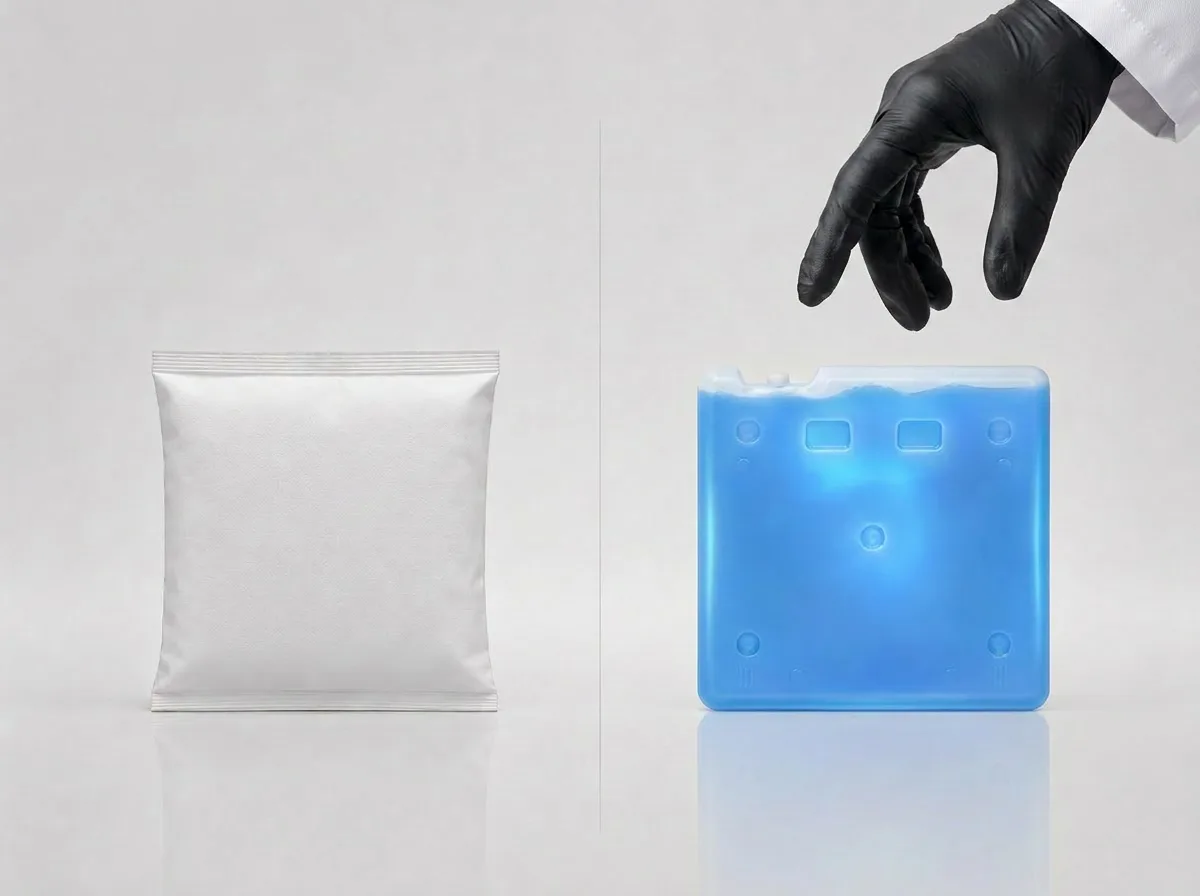
Most gel packs are designed to be non-toxic and safe around food, pharmaceuticals, and other sensitive products, but always check the product information for the exact composition, which varies by manufacturer and intended use. TempAid gel packs come in several varieties, some made for specific uses such as food versus medications.
If the gel pack contains water
- Thaw the pack at room temperature.
- Cut open a corner and squeeze the gel into the sink or toilet.
- Dry the plastic film and take it to a designated plastic-bag drop-off.
If the gel pack contains anything other than water
- Thaw the pack at room temperature.
- Cut open a corner and carefully squeeze the gel into the garbage. Do not wash it down sinks or toilets, as it can clog drains.
- Rinse the plastic film thoroughly.
- Dry the plastic film and take it to a designated plastic-bag drop-off.
Note: If you are not taking the film to a drop-off, the gel pack can go in the garbage. Either way, follow your local recycling guidelines for plastic film.
EarthWise™ Gel Packs
These environmentally friendly gel packs use an all-natural gel refrigerant that is safe to pour down a household drain or flush. The coolant does not harm pipes and is processed safely by municipal wastewater or home septic systems. The heavy-duty pouch is durable enough to clean and refreeze for repeated use, but when you do need to dispose of one:
- Thaw the pack by leaving it out.
- Cut open a corner.
- Squeeze the gel into the sink or toilet. If using the sink, run the water first.
- Rinse the plastic film thoroughly.
- Dry it and take it to a drop-off location. It can be recycled anywhere #4 low-density polyethylene plastic is accepted.
Water Blankets
Our water blankets are food-contact safe and contain only water. To dispose of them:
- Thaw the blanket by leaving it out.
- They have several pockets, each holding water, so carefully cut open or puncture each one.
- Pour the contents down the drain.
- The outer film may be recyclable at plastic-bag collection points in many supermarkets. Some blankets use composite plastic that may not be accepted, so unless the plastic is marked recyclable and you know its number, do not assume it can be recycled.
Hard Bottle PCMs
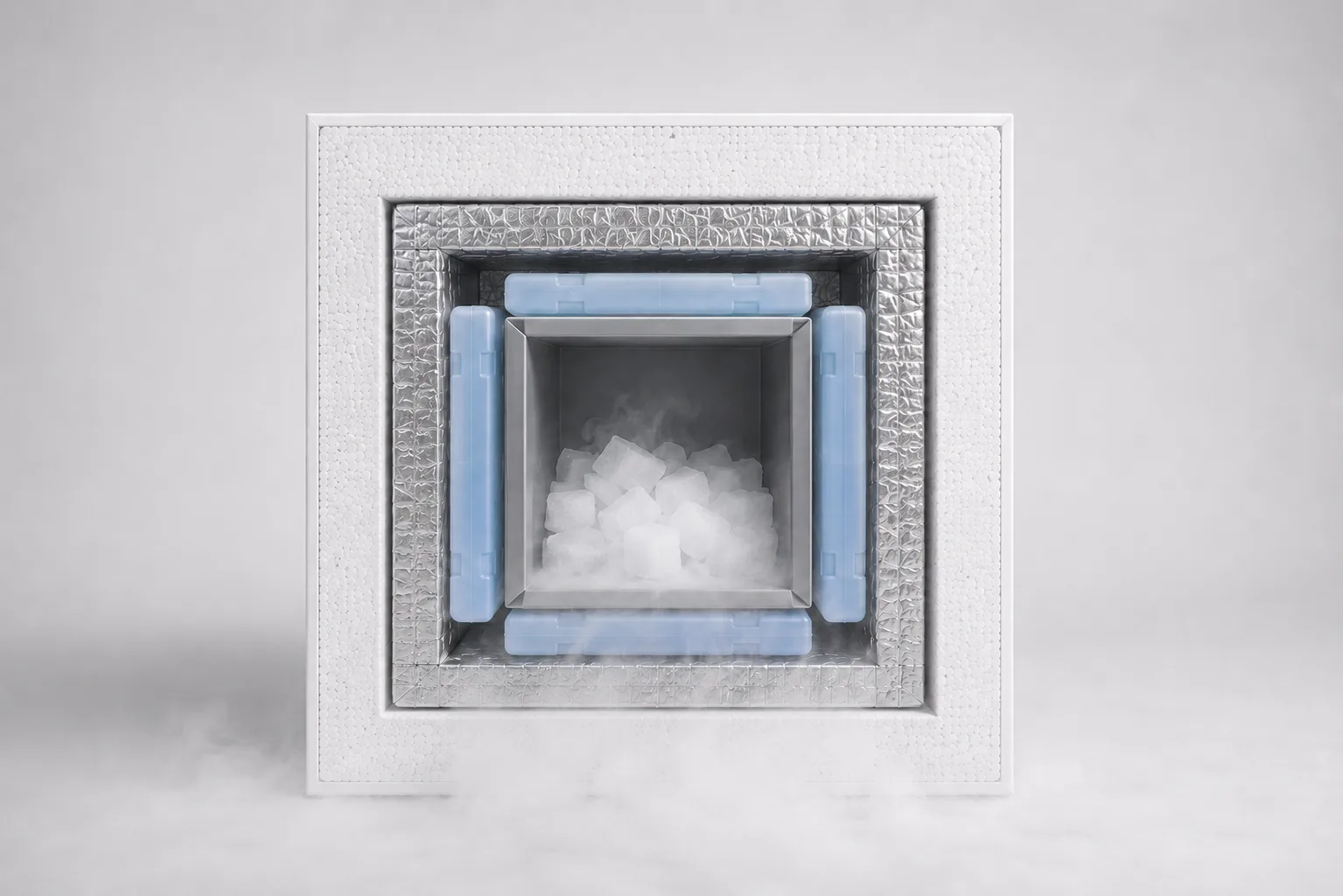
Phase change materials (PCMs) absorb and release thermal energy as they melt and freeze, holding a steady temperature for long periods. They come in several forms, bottles, packs, panels, and mats. TempAid offers hard bottle PCMs in recyclable high-density polyethylene (HDPE) and low-density polyethylene (LDPE).
HDPE is preferred for recycling because it can be turned into new products such as containers and piping. LDPE, used for things like grocery bags, is also recyclable but less commonly accepted. Always check your local guidelines for accepted materials and preparation steps.
PCM content varies by manufacturer, so check before disposing of the liquid. TempAid PCMs use a non-toxic gel made from proprietary biodegradable ingredients, so it can be poured into the trash before you dispose of the bottles.
A helpful resource is the How2Recycle Store Drop-off, which lets you drop off plastic films and bags, including HDPE and LDPE, at participating retail locations: how2recycle.info store drop-off.
PCM Mats and Packs
Alongside hard bottle PCMs and flexible gel packs, TempAid offers a line of flexible PCMs known as PCM Packs or Mats. These also contain proprietary biodegradable ingredients, so the contents can be poured into the trash.
Once emptied, rinse the plastic and place it in your local recycling bin if your area accepts it; otherwise, put it in your standard trash. Note that some regions of North America do not recycle all plastics, so check the resources at the end of this guide or contact your municipal waste organization.
Expanded Polystyrene (EPS) Coolers
Standard Styrofoam coolers
A typical cooler has limited options, so the best move is to reuse it as much as possible, or switch to one of the biodegradable options TempAid offers.
EarthWise biodegradable EPS coolers
Most discarded plastics end up in landfill. The microorganisms found there are the key to breaking down TempAid's expandable polystyrene resin: thanks to a unique additive, this grade of EPS interacts with the resin's chemistry and biodegrades at a molecular level under the anaerobic conditions found in biologically active landfills.
Whatever type of cooler you have, at the end of its usable life you have two options:
- EPS recycling facility. Some facilities accept this plastic and can repurpose EPS into new products. They can be limited by area, but you can find nearby centers using the EPS Industry Alliance recycling map: epsindustry.org/recycling-map. In Canada, BC has a recycling depot for coolers, see recyclebc.ca.
- Municipal waste services. If recycling or reuse is not an option, local municipal waste services are another route. Flattening or cutting the cooler into sections saves space in your bins, but check with your local waste service first to confirm they accept EPS, as it varies by location.
EarthWise™ Cellulose Insulation Disposal
The cellulose insulation is made from clean Double-Lined Kraft (DLK), and the panels are certified curbside-recyclable by Western Michigan University, though they are not compostable. To dispose of them:
- Remove the cellulose panels from the corrugated box so your local recycling facility can sort them properly. No separation of the cellulose and Kraft paper is needed to put these panels in the blue bin.
- Consult your local municipality for recycling requirements in your area.
If your municipality does not offer these services, online tools such as Earth911 or RecycleSearch can help you find a recycling center near you.
Vacuum Insulated Panels
When a shipment arrives with Vacuum Insulation Panels (VIPs), any damage that may have compromised the vacuum calls for proper disposal. VIPs are difficult to recycle because of the composite materials inside them, which are often incompatible with conventional recycling programs. When a VIP is part of a larger packaging set, separate it from other materials such as cardboard or plastic first.
Where recycling is not available, disposal in regular trash or landfill may be necessary, but follow local regulations, as some regions have specific rules for these materials.
SpeedyPac™ Mailer
Because this product builds the refrigerants into the mailer itself, you have a few options:
- Check for reuse. If the mailer is in good condition, with no tears in the outer casing, it can be reused or repurposed for other cooling needs.
- Recycling. Contact your local recycling center to ask whether they accept PCMs. If not, use scissors to carefully open the envelope and remove the refrigerants. You can then reuse the refrigerants and put the mailer in your standard trash.
- Disposal. If recycling is not an option, dispose of the mailer, without the PCM refrigerants, following local rules for plastic waste, typically the appropriate plastic bin.
Note: Never burn or incinerate mailers.
Cardboard
Cardboard is used throughout shipping, so first remove anything shipping-related, such as packing peanuts, plastic bags, cardboard dividers, and bubble wrap.
- Use a knife or scissors to cut any tape sealing the top and bottom of the box.
- Flatten the box to save space. You can leave the tape on, but most facilities prefer flattened boxes. For large boxes, fold or cut the flattened box in half so it fits your recycling cart.
- Find a designated drop-off location for cardboard recycling in your area.
Note: Avoid leaving boxes outside in the rain, as wet cardboard is not accepted for recycling. For food-soiled boxes such as pizza boxes, remove food residue first; boxes with oil stains but no food remnants are generally accepted in most curbside programs.
SteadyPac Plastic Corrugate
Our SteadyPac Long Duration Cubes include a protective outer box made from corrugated plastic. Made of polypropylene or coroplast, it is tough, lightweight, and highly reusable, so consider repurposing it for DIY projects or as a durable, moisture-resistant cover.
Disposal options for corrugated plastic:
- Recycling. It is made from recyclable polypropylene, but not all facilities accept it because of processing challenges. Check whether your local program takes corrugated plastic; if so, flatten the box and place it in the recycling bin or take it to a designated center.
- Disposal. If recycling or reuse is not possible, flatten it and put it in your regular trash, checking with local authorities for any specific guidelines.
Packing Peanuts
Packing peanuts usually come in two types: EPS Styrofoam and corn starch.
Corn starch peanuts are often called biodegradable or compostable. These break down more easily than traditional Styrofoam, can go in your compost pile, and are water-soluble. As with traditional peanuts, you can also drop them off at shipping retailers such as UPS Stores or FedEx Office, which often keep bins for packaging materials.
Most peanuts, though, are polystyrene, the plastic also known as Styrofoam. These are hard to recycle and options may be limited, but if you need to dispose of them:
- Separate the peanuts from cardboard, paper, plastic bags, and other EPS packaging in the box.
- White peanuts are commonly accepted at drop-off sites; other colors may not be.
- Pack them all into a single container, such as a clear plastic bag.
- Contact local shipping stores to see if they accept peanuts for reuse. Some EPS recyclers take them, but check whether there is a minimum quantity.
Note: When putting peanuts in the trash, keep them in a single bag so they do not escape the garbage truck and become litter.
Bubble Wrap
Bubble wrap cannot go in standard recycling bins, and only a few plastic-accepting facilities take it because it can jam sorting machines. Drop-off locations exist, so contact your local municipality for details. To find recycling locations, you can also check the Drop-off Directory at bagandfilmrecycling.org or earth911.com.