Quick filter: If you're shipping biologics worth $10K+ or products that can handle freezing (below 0°C), this isn't for you. But if you're a specialty pharmacy, distributor, or logistics company shipping GLP-1s, insulin, or other 2°C-8°C meds direct-to-patient and putting gel packs directly with your products... keep reading.
The Conversations I'm Having More and More With Clients
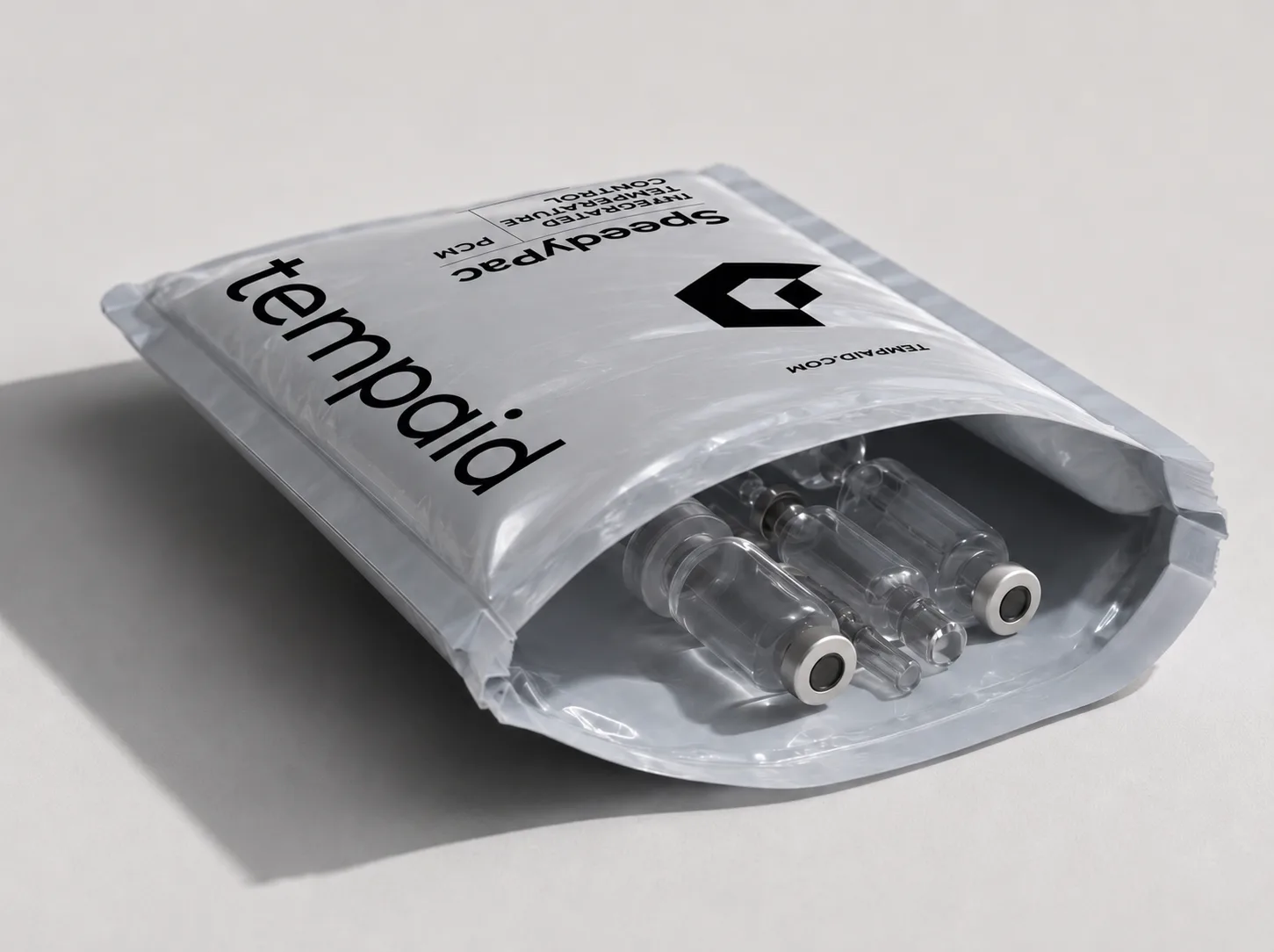
I've lost count of how many calls my team and I jump on where specialty pharmacies tell us they're shipping GLP-1s or other refrigerated products in EPS coolers or envelope mailers with frozen gel packs sitting directly against the product. "We haven't had any complaints, so we must be doing it right."
Here's what caught my attention: A @Sensitech study found 80% of direct-to-patient specialty medication shipments failed to maintain proper temperatures throughout shipment cycles. The primary cause? Improper use of frozen gel packs and packaging errors, often dropping products below -5°C.
Your patients are getting medications that have frozen within hours of shipping, then thawed during transit and arrive feeling appropriately cool to touch. But the proteins are already destroyed from that initial freeze (a phenomenon called super cooling). Think of it like trying to unscramble an egg. Once those protein structures get damaged, they're not going back.
Patients don't complain because nothing looks or feels wrong, but eventually they start to wonder why their medication isn't working as promised.
The Thermal Science Behind the Problem
You pull gel packs from your freezer at -18°C to -25°C to pack into a cooler with medication that needs to stay 2°C-8°C.
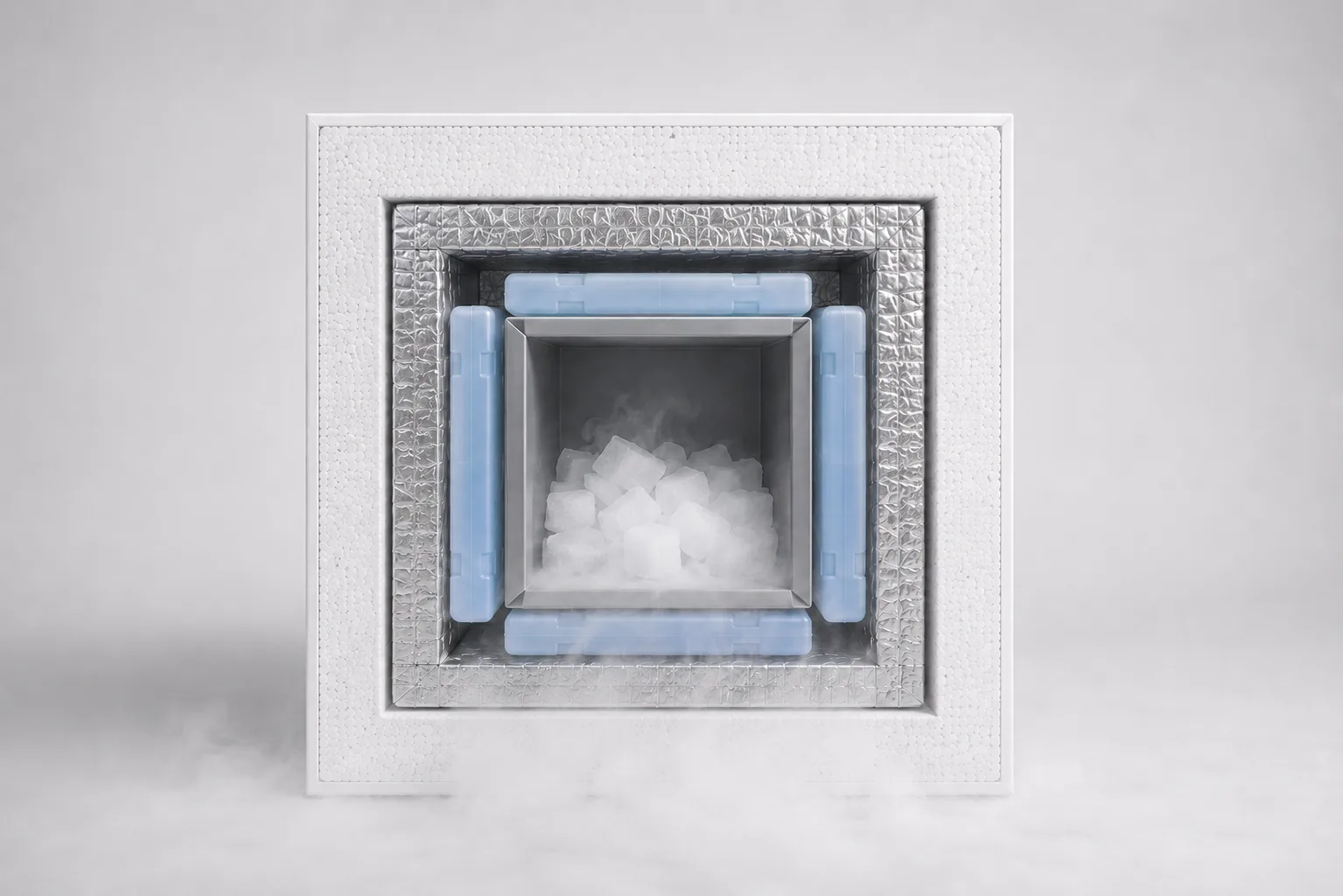
When that frozen gel pack sits against the shipping product's packaging, you're creating a thermal highway. Those frozen temperatures crash into the medications' proteins within hours.
If you already understand thermal buffering, skip to the next section.
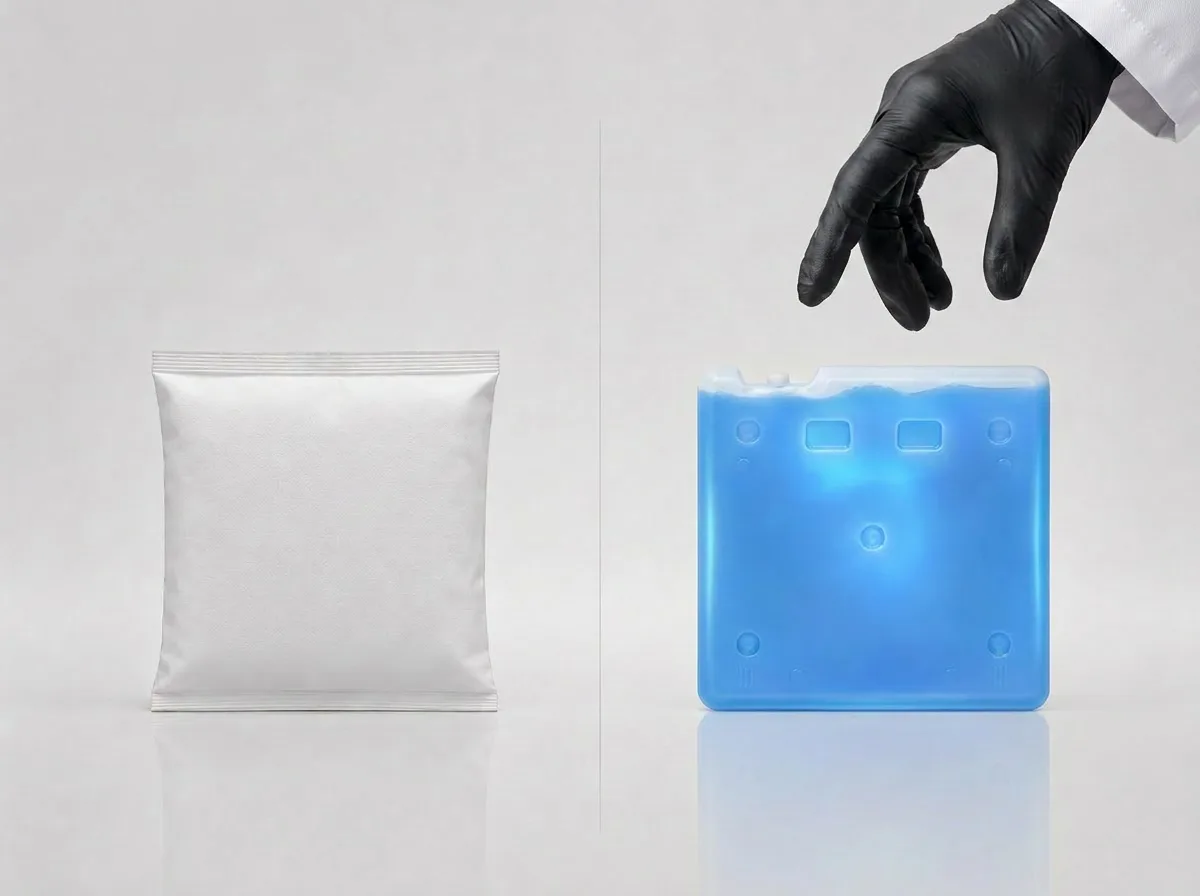
Thermal buffering creates a barrier that absorbs thermal shock instead of letting it hit your medications directly. Water blankets and PCM mats are amongst the most common components designed to separate frozen gel packs from your pharma products in transit.
Note: Yes, bubble wrap technically counts as thermal buffering too, just a very rudimentary one at that.
The Hidden Cost
The invisible nature of this problem makes it expensive. A @Sensitech study found the cost to replace a degraded specialty medication shipment can be 2-3× the initial product expense, factoring in reverse logistics and investigation costs. Meanwhile, @IQVIA research estimates the pharmaceutical industry loses approximately $35 billion annually due to temperature excursions across the supply chain.
Since patients receive medications that feel appropriately cool to the touch, they have no reason to complain. What they don't know is the medication froze and thawed during its journey. It arrives at the "right" temperature but with compromised efficacy.
You, the shipper, think everything's fine while the product has been damaged hours after leaving your facility.
What Actually Works
I've helped clients reduce their compromised super cooling incidents from 15%+ to under 1%. The solution is proper thermal buffering.
PCM mats provide precise temperature control. Water blankets offer basic but effective protection from direct contact. Whether you're using envelope mailers or traditional coolers, the key is actual buffering, not just tossing frozen gel packs in with medications.
Here's what really gets me: companies adding more frozen gel packs to their packouts thinking they'll "get more time out of it." Sure, in theory you'll have more energy and longer duration of that energy, meaning you'll stay below 8°C longer. But what good is shipping a 2°C-8°C refrigerated product frozen for half its shipment, leading to compromised efficacy?
Pre-qualified vs. building your own: Any pre-qualified cold chain system should already include adequate thermal buffering in its packout configurations. It should have been qualified that way. If you're building your own in-house solution, your packaging supplier probably has buffering components you can use, though it'll take some testing to dial in the right amount of gel mass vs thermal buffering mass. And likely cost you more time and money than just going with one of the many great vendors in the market offering pre-qualified solutions.
Test Your Setup
Want to know if you have a problem?
- Pack a few test shipments with data loggers and ship them to your own addresses (this is called a PQ, performance qualification test)
- Track your replacement shipment rates and look for patterns
For real peace of mind, especially if you're using an in-house solution with no qualification, you can have a third-party thermal testing lab qualify your solution against recognizable industry standards such as ISTA profiles. If you're purchasing a temperature-controlled packaging solution from a manufacturer as "pre-qualified," this qualification should already exist. Reach out and ask about having that documentation on hand.
Your Move
Operations managers: Start tracking your replacement rates. Look for patterns in shipping lanes and seasons.
Pharmacy directors: Ask your shipping and logistics team how they're protecting medications from frozen gel packs coming in contact with the product. If there's no component in their process absorbing thermal shock as a buffer, you might have a problem.
Supply chain folks: If you're reading this and thinking you don't have any component in your packing doing thermal buffering, reach out to your packaging vendor about thermal buffering options. Most have solutions readily available.
15 years in cold chain taught me this: the problems you can't see cost the most money. Freeze-thaw damage is invisible until it affects a patient depending on you, at which point it's too late.
Remember, you can't unscramble an egg. But you can definitely prevent it from getting scrambled in the first place.
While reading this, if anything leaves you with a question in mind, I'm happy to catch up over a Teams call to discuss your current processes and what you might need to be doing for thermal buffering. Reach out anytime.
#Pharma #SpecialtyPharmacy #ColdChainLogistics #RegulatoryCompliance #QualityAssurance #PharmaSupplyChain
Sources: Sensitech BioMed Specialty Pharma Study, IQVIA Institute for Human Data Science cold chain analysis, specialty pharmacy market studies on temperature excursion impacts