Maintaining the integrity and efficacy of temperature-sensitive medications and products during transportation is paramount in pharmaceutical packaging. Temperature excursions can compromise the quality and safety of these goods, making it crucial to employ innovative solutions. One such solution is Phase Change Materials (PCMs). This article will explore what phase change materials are, how they work, their types, and why they are a superior alternative to traditional gel packs in controlling room temperature shipping environments. We will also introduce TempAid’s SteadyPac line of PCM products as an industry-leading solution.
What Are Phase Change Materials and How Do they Work?
Phase Change Materials (PCMs) undergo a reversible phase transition between solid and liquid states at specific temperatures. These materials store and release thermal energy during this transition, allowing them to regulate temperature effectively. PCMs are used extensively in various industries, including pharmaceuticals, to maintain a consistent temperature within packaging.
The magic of PCMs lies in their ability to absorb or release heat as they change from one phase to another. When PCMs transition from a solid to a liquid state (melting), they absorb heat from their surroundings, preventing the temperature inside the packaging from rising above a certain threshold. Conversely, they release heat when they solidify (freeze), preventing the temperature from dropping too low. This unique property helps maintain a stable temperature range, ensuring the pharmaceutical products meet their required temperature specifications.
Types of Phase Change Materials
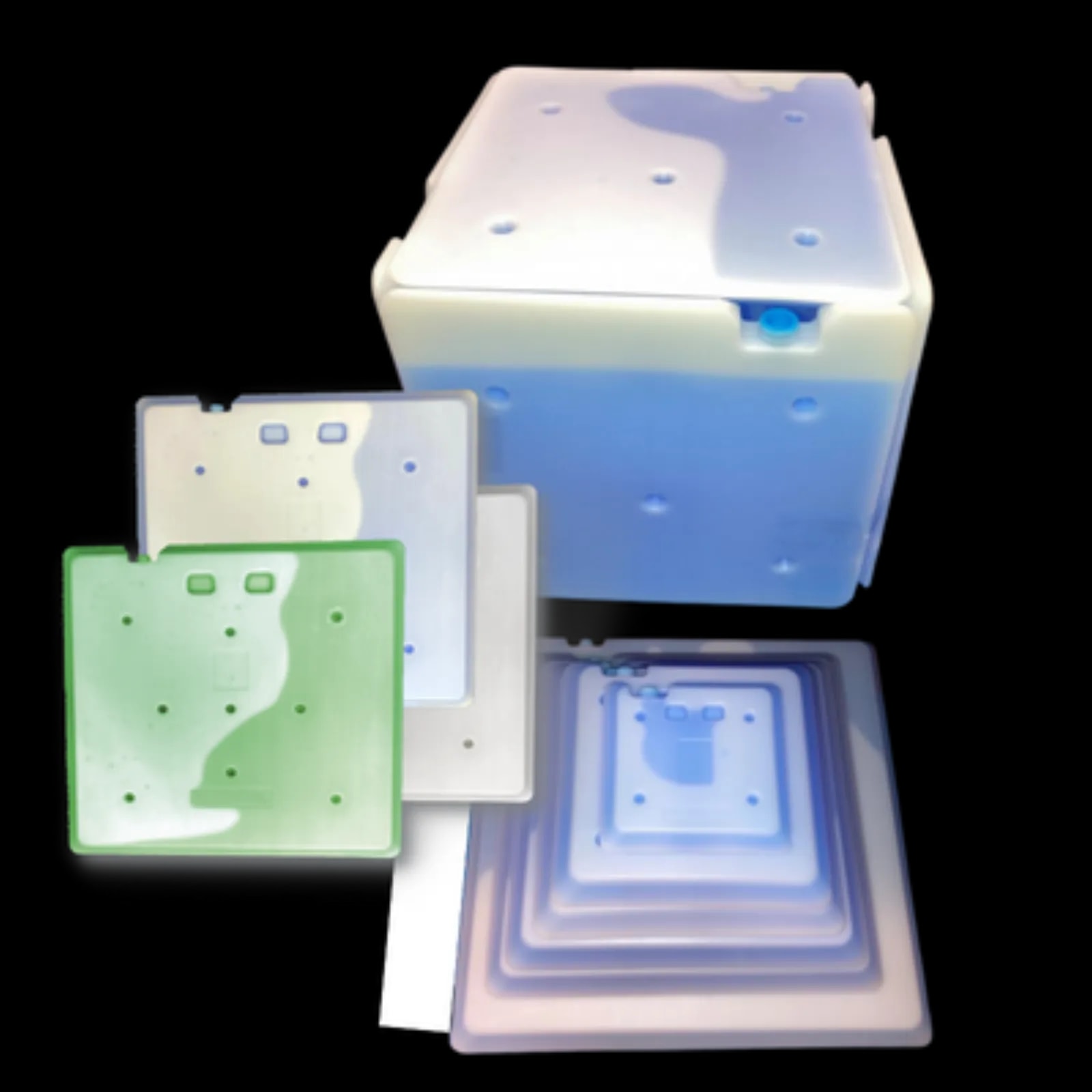
Phase Change Materials (PCMs) come in various forms to cater to different applications and requirements. The choice of PCM type depends on factors such as the desired temperature range, packaging constraints, and intended use. Here are some common types of PCMs and the typical ingredients they are composed of:
- Hard Bottle PCMs: Hard bottle PCMs are encapsulated within rigid containers or bottles. These are often used for applications where the PCM needs to be contained securely and where easy handling is important. Typical ingredients for hard bottle PCMs include paraffin wax, fatty acids, or salt hydrates enclosed within a plastic or metal container. The container material is chosen to be compatible with the intended use and temperature range.
- Blanket PCMs: PCM blankets are flexible, sheet-like material impregnated or coated with phase change materials. These versatile blankets can be cut or shaped to fit various packaging configurations. Ingredients used in blanket PCMs can include paraffin wax, polyethylene, or other polymers that can hold the PCM while remaining flexible and durable.
- Soft Pouch PCMs: Soft pouch PCMs are contained within flexible pouches or bags. These are suitable for applications where flexibility and conformity to irregular shapes are essential. Soft pouch PCMs typically contain phase change materials like paraffin wax, salt hydrates, or glycols sealed within a plastic or fabric pouch.
- Microencapsulated PCMs: In microencapsulated PCMs, tiny PCM droplets are encapsulated within micro-sized capsules. These capsules can be integrated into various materials or coatings, making them suitable for a wide range of applications. Ingredients for microencapsulated PCMs include the phase change material, such as paraffin or a eutectic mixture, and a shell material like polymer or resin to encapsulate the PCM droplets.
- Foam PCMs: Foam PCMs are created by impregnating a foam material with phase change materials. The foam provides insulation and structural support while the PCM inside regulates temperature. Ingredients typically include the phase change material, such as paraffin wax, and the foam matrix material, which can be polyurethane or other foaming agents.
- Gel Pack PCMs: While not always regarded as a PCM, gel packs are a type of refrigerant and consist of a gel-like substance containing phase change materials. These are often used for medical and food storage applications. Gel pack PCMs typically include water, a gelling agent, and a PCM like salt hydrates.
- Brick or Block PCMs: PCM blocks or bricks are solid forms of phase change materials, typically used in construction and thermal energy storage applications. Depending on the specific application, ingredients can vary widely and may include salt hydrates, paraffin wax, or other suitable materials.
It’s important to note that the choice of ingredients and formulation for PCMs is tailored to the desired phase change temperature range and the specific performance requirements of the application. PCMs offer a versatile solution for temperature control in various industries, and selecting the right type and formulation is crucial to achieving effective thermal management.
Why PCMs Are Superior to Gel Packs
While traditional gel packs have been used for temperature control, PCMs offer distinct advantages:
- Precise Temperature Control: PCMs provide more accurate temperature control, ensuring that pharmaceutical products remain within the desired temperature range and minimizing the risk of temperature excursions.
- Longer Cooling Duration: PCMs have a longer cooling duration than gel packs, which can be crucial for extended shipping times.
- Reusability: PCMs are reusable, making them a sustainable and cost-effective choice for pharmaceutical companies.
- Non-Toxic and Environmentally Friendly: PCMs are non-toxic and environmentally friendly, reducing the potential hazards of gel packs.
Why PCMs Are Ideal for Control Room Temperature Shipping Environments
Control room temperature shipping environments require maintaining a consistent temperature range without refrigeration or heating. PCMs are the ideal solution for the following reasons:
- Minimal Energy Consumption: PCMs do not require electricity or active temperature control systems, reducing energy costs.
- Reliable Temperature Maintenance: PCMs offer reliable temperature control, preventing excursions that can compromise product quality.
- Suitable for Long-Haul Transportation: PCMs are effective for long-distance shipping, ensuring pharmaceuticals reach their destination in optimal condition.
Conclusion
In the changing field of pharmaceutical packaging, Phase Change Materials (PCMs) have emerged as a superior solution for temperature control during shipping. TempAid’s SteadyPac line of PCMs offers diverse options to cater to different temperature requirements. If you want to enhance your pharmaceutical packaging and safeguard the integrity of your products, consider PCMs as your go-to solution.
Contact TempAid today for more information or to request samples of the SteadyPac line of PCM products and take a step towards ensuring your pharmaceutical goods’ safe and effective delivery.